How to Buy a Sauna With Confidence and Find the Right Fit
If you are reading this, you have probably spent a few evenings scrolling through sauna photos, comparing wood grains, and wondering whether infrared heaters actually work the way people say they do. The home sauna market has grown fast, and with that growth comes a flood of options that can feel overwhelming. The good news is that once you understand what matters most for your home and your habits, the choices become much clearer. You can buy sauna with confidence when you know which features are worth the money and which ones are just marketing noise.
Start With the Space, Not the Brand
Before you fall in love with a certain model, take a hard look at where the sauna will go. Indoor saunas need a dry, ventilated space with access to power and sometimes a drain. Outdoor saunas need a level pad, weather protection, and often a permit from your local building department. Permit requirements vary by region, so check with your city or county before you order anything. A friend of mine bought a beautiful barrel sauna for his backyard and then spent six weeks waiting for a permit that added extra electrical work he had not planned for. That delay and extra cost could have been avoided with one phone call.
If you are tight on space, a two-person indoor sauna made from hemlock wood is a practical choice. Hemlock stays cool to the touch, resists warping, and costs less than cedar. If you have room outdoors and want a classic look, a barrel sauna from a brand like Almost Heaven Saunas gives you a traditional feel with good heat retention. Barrel designs heat up fast and shed rain well, making them a strong option for many backyards.
Know the Difference Between Heat Types
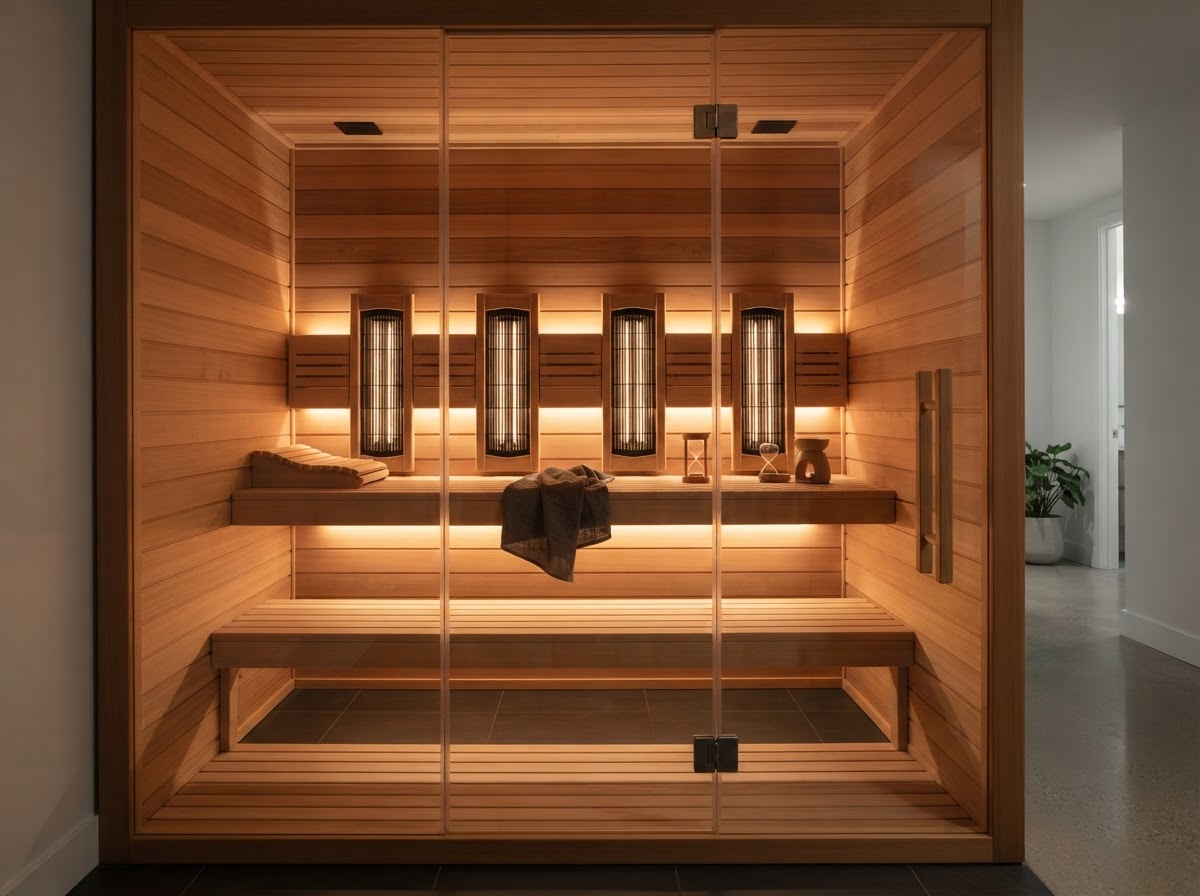
The biggest fork in the road is whether you want a traditional steam sauna or an infrared sauna. Traditional saunas use a heater, often from a brand like Harvia or Tylo, to heat stones that radiate dry heat. You pour water on the stones to raise humidity and get that sharp, cleansing steam. Infrared saunas use infrared heaters that warm your body directly without heating the air as much. They run at lower temperatures, which some people find more comfortable, but they do not produce the same steam or the same deep heat you get from a Nordic sauna tradition.
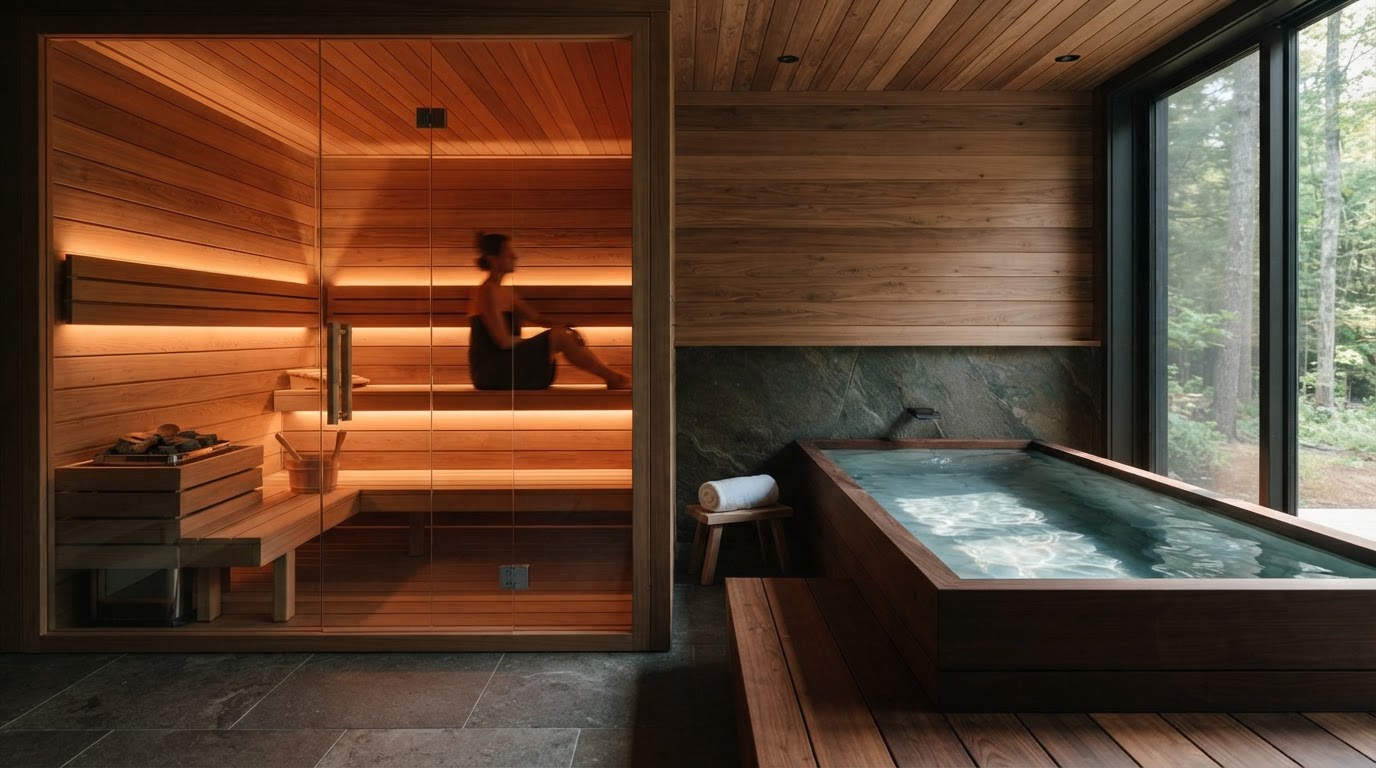
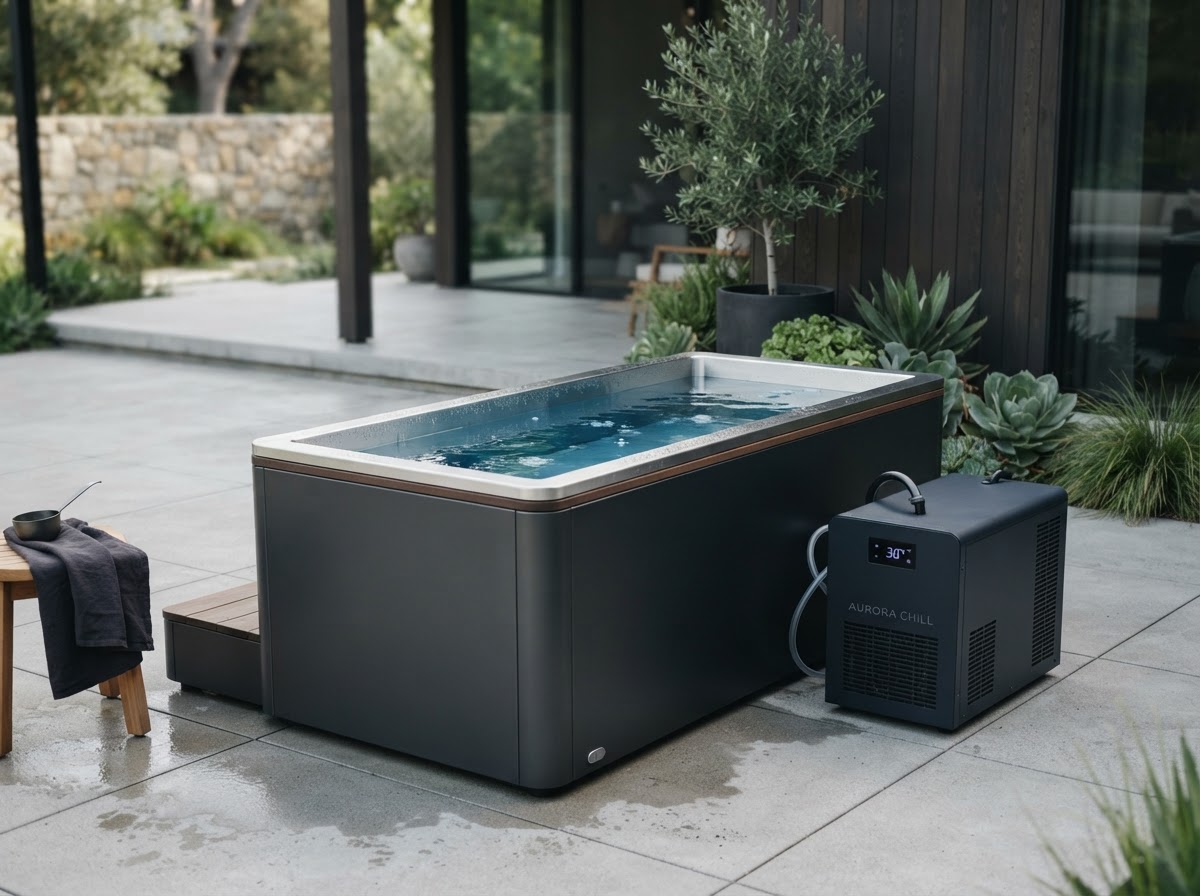
If you love the ritual of pouring water and feeling the temperature spike, go with a traditional heater. Many sauna enthusiasts also appreciate having a thermometer hygrometer on the wall so they can track both temperature and humidity levels. If you have respiratory sensitivities or prefer a gentler heat, infrared might suit you better. Some people install both a traditional sauna and a cold plunge tub for contrast therapy, which has become more popular among athletes and wellness-focused homeowners.
Wood Matters More Than You Think
The wood inside your sauna affects the smell, the heat feel, and how long the room lasts. Cedar wood is the classic choice because it smells great, resists moisture, and stays cool to the touch even when the room is hot. It is also lightweight and easy to work with for DIY sauna kit builders. But cedar is soft, so it can dent or scratch if you move benches or equipment around. Hemlock wood is harder and more affordable, though it does not have the same aromatic scent. Some high-end saunas use a mix of both, with cedar on the ceiling and hemlock on the walls and benches.
When you buy sauna with confidence, you look at the wood grade and the warranty. A good sauna warranty covers the wood against splitting or warping for at least five years. Brands like Finnleo and SaunaFin offer strong warranties on their pre-built models, which is a sign they trust their materials. If you are building from a DIY sauna kit, check the insulation materials as well. Proper insulation between the sauna room and the rest of the house keeps the heat where it belongs and saves on energy bills.
Cost and Value: Where to Spend and Where to Save
Sauna prices range from about two thousand dollars for a basic two-person infrared unit to over ten thousand for a large custom indoor sauna with steam generators and advanced controls. The biggest cost drivers are the wood grade, the heater type, and whether you install it yourself or hire a contractor. If you are handy, a DIY sauna kit can save you a lot of money. Many kits come with pre-cut panels and detailed instructions, so even someone with moderate building experience can handle the job in a weekend.
On the other hand, if you are not comfortable with electrical work or framing, paying for professional installation is money well spent. A mistake in wiring or ventilation can create a fire hazard or make the sauna uncomfortable to use. I have seen people buy a beautiful sauna and then find out their home inspection flagged the electrical setup because it did not meet code. That kind of headache is avoidable if you plan ahead.
You do not need to buy the most expensive model to get a good experience. A mid-range sauna from Almost Heaven or Finnleo with a basic Harvia heater and cedar or hemlock wood will serve you well for years. Save the splurge for extras like a good cold plunge tub or a steam generator if you want a wet sauna experience. Those add-ons can be added later, so you do not have to buy everything at once.
Read the Warranty and the Fine Print
The sauna warranty is your safety net. Most reputable brands cover the heater for two to three years and the wood structure for five years or more. But read the conditions carefully. Some warranties require professional installation, and others void coverage if you use the sauna in an unheated space during winter. If you live in a cold climate and plan to put the sauna in a garage or an outdoor shed, confirm that the warranty covers that use case.
A few years ago, a neighbor bought an outdoor sauna from a lesser-known brand and skipped the warranty details. After one winter, the door warped and the heater stopped working. The company said the warranty did not cover weather exposure. That is a tough lesson. When you buy sauna with confidence, you ask about the warranty before you pay, and you keep the documentation somewhere safe.
Practical Setup Considerations
If you are building an indoor sauna, you need to think about ventilation, drainage, and electrical load. A traditional sauna produces moisture, so the room needs an exhaust fan or a window that can open. Steam generators require a water line and a drain, which adds to the installation cost. Infrared heaters are simpler and usually plug into a standard outlet, though larger units may need a dedicated circuit.
For outdoor saunas, the biggest considerations are a level foundation and weatherproofing. A concrete pad or a gravel base works well. You also want to make sure the sauna is raised slightly off the ground to prevent moisture from rotting the bottom. If you live in an area with heavy snow, a roof overhang or a small awning helps keep the door area clear.
A thermometer hygrometer is a small investment that makes a big difference. It lets you see the actual temperature and humidity so you can adjust the heater or the ventilation to get the perfect sauna session. It also helps you monitor the sauna between uses, which is useful for spotting moisture problems early.
Final Thoughts on Making the Choice
Buying a sauna is a decision that rewards patience. Take the time to visit a showroom if you can, or at least read reviews from people who have the same model you are considering. Talk to a contractor about installation costs before you order. Check permit requirements and your home insurance policy. All of that legwork makes it possible to buy sauna with confidence, knowing that the unit you choose fits your home, your budget, and your lifestyle.
The sauna market has something for almost every situation, from a small indoor cabin of hemlock wood to a large barrel sauna in the backyard. Brands like Tylo and Harvia have decades of experience making heaters that last, and companies like SaunaFin and Almost Heaven build saunas that hold up to regular use. Focus on the fundamentals: good wood, a reliable heater, a clear warranty, and a space that is properly prepared. The rest is just decoration.